

The humanities revolution has already begun
Why the contemplative life is making a comeback


Several months ago, I was feeling lonely and horny for philosophy. My solution was to volunteer to lead a book discussion for the Catherine Project, a nonprofit that organizes free seminars around great books. I didn’t know which book to choose, so I asked ChatGPT to recommend a dense philosophy book that might help us understand the moment we’re living in. It recommended Hannah Arendt’s The Human Condition. For eight weeks, a dozen of us read it chapter by chapter, discussing it on Zoom each week. Our final meeting is next week.
Something clicked. For years I’ve written about the need for wisdom to keep pace with technology. Then one evening I looked up from my Zoom call and realized the revolution I’d been calling for is already happening.
A humanities revolution is underway. I’m part of it. Maybe you are part of it too.
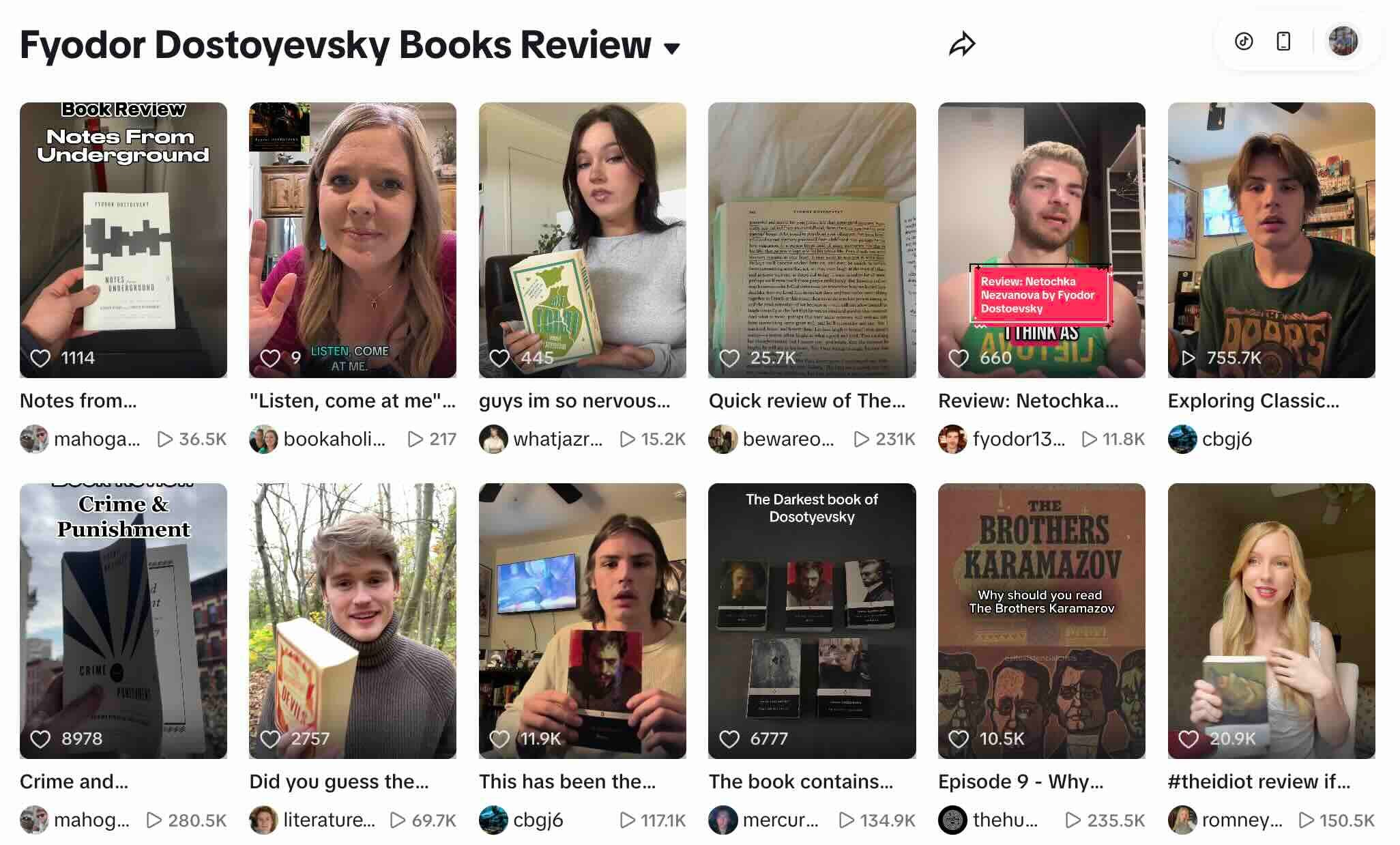
It’s everywhere once you start looking. You can see it in the rise of nonprofits like the Catherine Project1, independent philosophy schools like the Millerman School2, and “BookTok” videos where earnest twenty-somethings review Dostoevsky3. On Substack, thousands of people write about philosophy, literature, and theology with the fervor of the Chautauqua Movement. Look at the vitality of Andrew Robert Colom’s rap-fiction battles, Hollis Robbins’s visionary thinking about knowledge, or Michael Dean’s essay contests. The Catherine Project alone has run over 700 seminars serving nearly 4,500 readers across 50 countries, all for free.4
The humanities revolution is global, decentralized, and accelerating.
I’m an unlikely champion of the humanities. Since college in the late 1990s, I’ve criticized university humanities departments as too political, identity-obsessed, and unserious. In 1997 I wrote a piece for National Review on the decline of Western Civ, titled with a wink, “Western Sieve.” What I wrote then has since become conventional wisdom on the right. Meanwhile, the humanities fell out of favor, with less funding, fewer majors, and hockey-stick tuition.

Now I’m seeing the humanities thrive outside universities, and I love it. The humanities are undervalued, overlooked, and already staging a comeback. Godlike technology demands wisdom, and the career implications are significant too. In investor terms, I’m buying the bottom in the humanities.
This humanities revolution has no headquarters or central committee. It isn’t even conscious of itself. Its weapons are books and arguments. The enemy is thoughtlessness. The fight is to think.
The American Revolution bubbled up from Boston Gazette articles, anonymous pamphlets, and gatherings at places like the Green Dragon Tavern. Today’s humanities revolution is a 20-something in Austin starting a book club that grows to 1,500 members.5 It’s a former academic posting Substack essays that find more readers than his dissertation ever did. Past revolutions emerged from coffeehouses, debate halls, and print newspapers. This one’s happening on Discord servers, podcasts, and YouTube, mostly without any revolutionary consciousness.
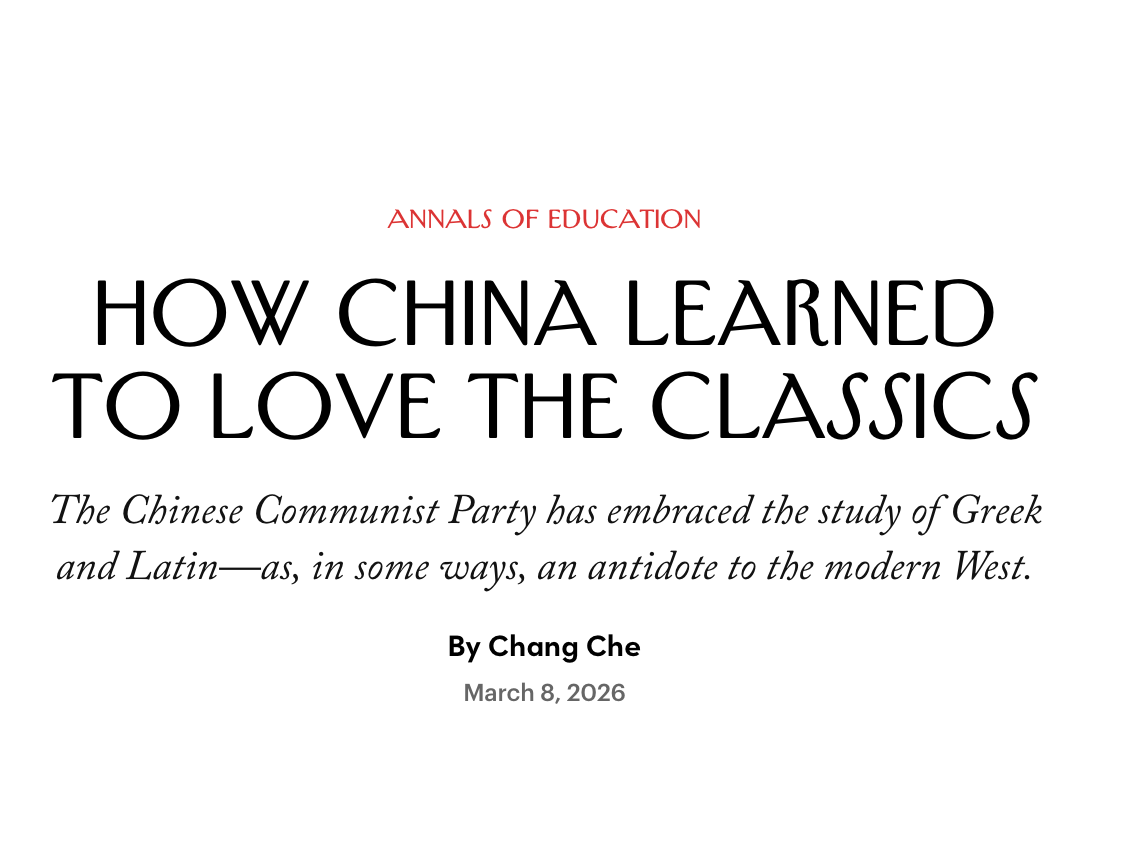
One reason it escapes notice is that it’s full of paradox. Humanities majors are at historic lows, yet global humanities discourse has never been more widespread. Fewer Americans than ever are reading books, yet book clubs are booming. The classics of Western Civ are out of favor on campuses, yet it’s never been easier to take an online course or listen to a podcast on any work. Even the Chinese Communist Party is promoting Greek and Latin classics.6 Let that sink in. Mao’s revolution is embracing Western Civ.
Three colliding forces are driving it. The first is institutional failure. Academia and other culture-making institutions largely shut out right-leaning thinkers, especially white men. At Harvard, roughly 80 percent of faculty identify as liberal or very liberal, compared to just 1 to 2.5 percent conservative.7 Last year, the EEOC launched an investigation into Harvard’s hiring practices, alleging explicit discrimination.8
What Jacob Savage called “The Lost Generation” of millennial white men wasn’t lost.9 It was diverted into blogs, podcasts, Substacks, and YouTube channels that don’t rely on gatekeepers. Dissident thinkers like Curtis Yarvin and Nick Land, who would’ve been academics a generation ago, are packing seats at public debates. Tech intellectuals like Palantir CEO Alex Karp are writing books echoing Plato. Marc Andreessen is throwing around “accelerationism.” Peter Thiel is giving speeches about the Antichrist. Whatever you think of these figures, they are doing philosophy in public.
The second force is the digital info environment. The same tools making everyone numb and anxious also created the architecture for a global humanities movement. Substack built an economy for serious humanistic writing outside institutions. Zoom made it possible for people across multiple continents to read Arendt together on a Tuesday night. Social media killed the university’s monopoly on humanities discourse. What’s replaced it is messier, shallower, and amateurish, but also more vital, democratic, and widespread.
The third force is AI. Intelligent machines are creating a hunger to understand what it means to be human, have agency, and live a purposeful life. The humanities are how we sort out those questions. And few thinkers seem more relevant to this moment than Arendt.
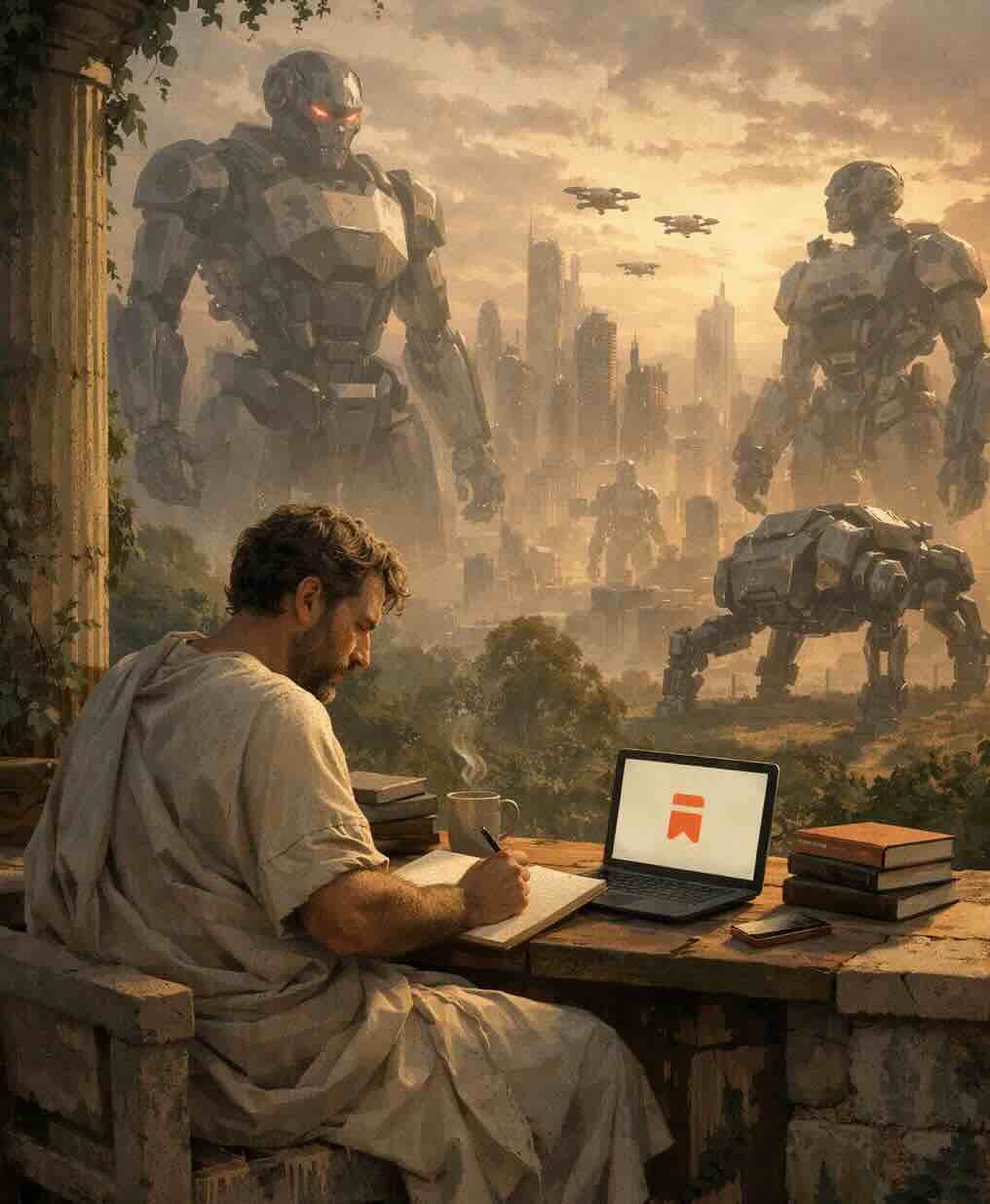
She published The Human Condition in 1958, opening with Sputnik. Sputnik was a cultural shock rivaling Pearl Harbor. Humanity was moving into space, and the Soviets had gotten there first. Against that backdrop, Arendt asked what this new technological era meant for humanity itself. She worried that science and know-how would crowd out genuine contemplation. She even feared we would outsource thinking to “artificial machines.” It felt like a dispatch to 2026.
Arendt’s exhortation was to protect genuine thought in the face of a new technological era. The joke’s on me for picking the book with ChatGPT’s help. But I wouldn’t have found it without AI, and reading it made me confront the question directly: is AI empowering my thinking or replacing it? For now I believe it’s empowering. That line is thinner than I’d like to imagine. Whatever you think of AI, the struggle is the same: to think clearly, engage critically, and defend our humanity.
Grab a book and fight to think. The humanities revolution has already begun.
Related Esssays
Theme Song
Philosopher Michael Millerman started the Millerman School. Check it out here.
Read Jacob Savage’s brilliant Compact article here.
It's a pity the humanities let themselves get stomped for wokeness. They've decolonized the curriculum and graduates don't know the name Socrates or what he said.
But they're highly educated on what to be offended by.
Emergent order is a beautiful thing. It is beautiful to see that a love for literature and art is self-seeding in public space, despite the official demise of the academic humanities. I say this as an academic refugee who once taught literature to Ivy League undergrads but left when it became clear -- because it was already clear, 25 years ago -- that the academic humanities were committing suicide and doing a lot of harm along the way.