

Incel is the new queer
How a slur shuts down sympathy for struggling men

Freddie deBoer published a thought-provoking essay on Friday on what he calls “the incel’s veto.” He argues incels have gained outsized cultural influence and that their influence acts as a veto shutting down normal straight-guy discourse about sex and dating. Getting laid isn’t rocket science, he says. Just be normal.
It’s a good piece with some genuine insights and zingers. I found myself nodding through most of it. Then a crude thought I had a few months ago returned to me:
Incels are the new queers.
Incel culture is the new faggotry.
Freddie never defines “incel.” He glides between definitions that include sexless regular guys, men obsessed with “sexual marketplace” language, 4chan assholes, and looksmaxxing characters like Clavicular. He flattens them all under the same brush.
“Incel” has become a sweeping slur used to stigmatize, dismiss, and shut down multiple groups of men people don’t like. The label carries a thick stench, an ick. Want to dismiss a guy’s pain in a single word? Socially poison him? Call him an incel. This is the real incel veto, but it runs in the opposite direction of Freddie’s. His veto is when incels silence normal straight guys talking about their sex and romantic lives. The other veto is the slur itself, how it silences male expression of struggle.
There are meaningful differences between sexless regular guys, neurodivergent men who struggle socially, toxic online chuds, Clavicular pretty boys, and fuckboys who talk about “body count” the way corporations talk about balance sheets. I’m not here to defend all of these groups. Some are genuinely toxic. But the overlap between them is far smaller than our discourse assumes.
I’m a middle-aged gay dad with no skin in the game, other than an impulse to defend left-behind guys. That impulse not-quite-consciously led me into the Trump movement. It’s also led me to defend effeminate men, push back against masculinity tropes, and write about men across generations. What I find grossly unfair is that society sweeps struggling regular guys under the incel banner even when they don’t have toxic attitudes or behaviors.
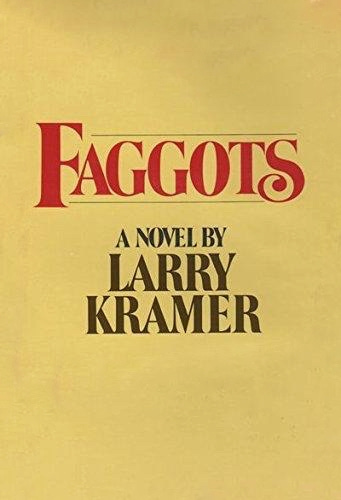
In my coastal social circles, calling someone a fag would be unacceptable, and rightly so. But calling someone an incel? That would get laughs.
Yesterday’s “smear the queer” is today’s “smear the incel.”
Like “queer,” “incel” functions as a floating signifier for socially unacceptable men. It provides cover to bash them, whether or not they’ve done anything wrong. It cuts off sympathy and gets in the way of grappling with real issues.
Women write about dating, sex, and romance constantly. Substackers like Freya India and Lana Li have built entire publications around these topics, as have many others. Nobody calls women incels when they talk about their struggles or strategies. Nobody calls female beauty tips “looksmaxxing.” Nobody equates feminism with a “femosphere.” Female romantic struggle is insight and solidarity. It dominates popular fiction and sells memoirs like Eat Pray Love. Male romantic struggle is pathology, loserdom, and ick. It hides in the closet and gathers in shadows like queers pre-Stonewall.
Freddie notices how women “dominate short-form nonfiction writing about sex and romance” in his opening, then moves on without asking why. He references being mocked after writing about losing his virginity, which points to something real: men, especially straight men, don’t make space to talk about sex and romance publicly. Some male suffocation is self-imposed. But the incel slur only makes this worse.
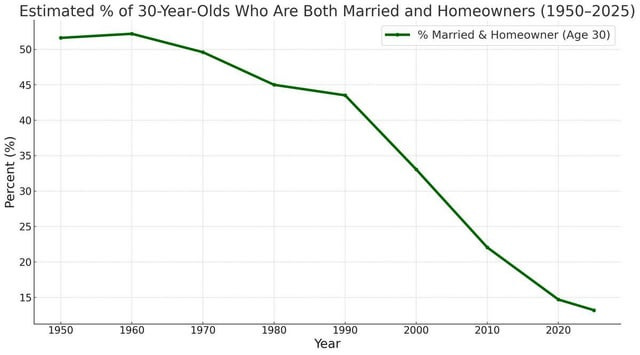
Dating and family formation are in dire straits. The U.S. fertility rate fell to a record low in 2024, at 1.6 births per woman, well below replacement.1 More than 60% of young men are single, nearly twice the rate of young women.2 The share of 30-year-old men who are both married and homeowners has collapsed from over 50 percent in 1950 to about 12 percent today. At current rates, one in three young Americans will never marry. One in four will never have kids.3 Young straight guys I know describe Tinder as an asymmetric hellscape — great if you’re a “mega Chad” but otherwise bleak. The sexlessness and romantic failure of many men is a civilizational crisis, not a joke.
Freddie nails the pathologies of certain men. I laughed at his diagnosis of looksmaxxers. But he paints with too broad a brush, and his solution is ultimately a dismissal: be normal! go have sex! accept ordinary! He gestures at sympathy but never demonstrates it. He describes himself as “a happy, fattening, rapidly-aging dad with a wife and a baby and a life” but doesn’t seem to grasp that, for many young men, that kind of ordinary life feels out of reach. The least we can do is not make it worse. These men deserve better than a slur and a shrug.